
The Thrill of the Gamble
The allure of a casino often lies in the adrenaline rush it provides. Players are drawn to the excitement and unpredictability of games, engaging both their emotions and cognitive processes. The possibility of winning a significant jackpot creates a sense of euphoria, making the experience addictive. This rush can lead to impulsive behavior, as players chase after the high of victory, often overlooking the odds against them. For those interested, our site offers the best insights into online sports betting california to help navigate this thrilling environment.
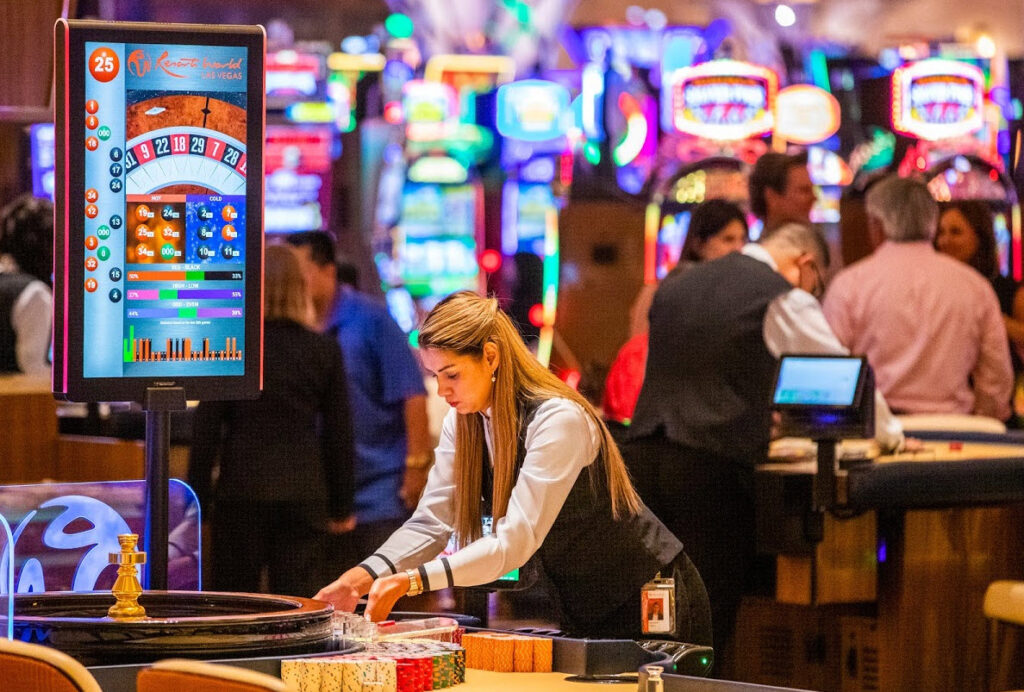
Furthermore, the design of casinos plays a pivotal role in shaping player behavior. The bright lights, enchanting sounds, and the layout of machines and tables are meticulously crafted to enhance the gaming experience. These sensory stimuli stimulate the brain’s reward system, reinforcing gambling as a pleasurable activity. As a result, players may return repeatedly, seeking to recapture the thrill they experienced during their previous visits.
The Role of Social Interaction
A significant aspect of casino behavior is the social environment that accompanies gambling. Many players enjoy the camaraderie that emerges from shared experiences, whether it’s cheering for a win or lamenting a loss together. This sense of community can enhance the enjoyment of the game and create lasting social bonds, which can encourage repeated visits to the casino.
Moreover, the social dynamics of casino gaming can influence betting behavior. Players may feel compelled to match the stakes of those around them, leading to increased risk-taking. The presence of others can amplify the emotional highs and lows associated with gambling, keeping players engaged and encouraging them to continue playing despite setbacks.
Cognitive Biases and Decision Making
Players often fall victim to cognitive biases that affect their decision-making processes. One common bias is the “gambler’s fallacy,” where players mistakenly believe that past outcomes influence future results in games of chance. This misunderstanding can lead to poor betting choices, as individuals may overestimate their chances of winning based on previous wins or losses.
Additionally, the illusion of control is another cognitive distortion prevalent among gamblers. Players might believe they can influence the outcome of a game through skill or strategy, even in games that are primarily based on luck. This belief can drive them to engage in riskier behavior, as they feel empowered by their perceived abilities.
The Emotional Rollercoaster of Winning and Losing
The emotional highs and lows that come with gambling can significantly impact player behavior. Winning can result in euphoric feelings that encourage further play, while losing can lead to frustration and a desire to recover losses. This emotional volatility is a key factor that keeps players returning to the casino, as they become entangled in a cycle of risk and reward.
Additionally, the psychological impact of loss can sometimes lead to « chasing » behavior, where players continue to gamble in the hopes of winning back what they have lost. This often leads to greater financial risk and can have detrimental effects on a player’s overall well-being and financial stability.
Discover More About Casino Behavior
Understanding the psychology behind casino behavior is crucial for both players and the industry alike. By exploring the factors that drive players, we can encourage responsible gambling practices and foster a healthier gaming environment. This insight can also help operators design more engaging experiences that prioritize player safety and enjoyment.
For those looking to deepen their understanding of gambling behaviors and responsible practices, our website serves as a comprehensive resource. We provide expert insights, analyses, and tools to promote informed decision-making in the world of casinos and gambling.